

Indian Chamber of Commerce recently hosted Aviation & Tourism Conference 2025
The Indian Chamber of Commerce (ICC) hosted the Aviation & Tourism Conference 2025 in New Delhi, centered around the theme “Viksit Bharat 2047: Transforming Indian Tourism for Global Excellence.”
The event brought together key stakeholders from the government, industry, and policy think tanks to chart a progressive roadmap for India’s tourism and aviation sectors. The conference was graced by Omar Abdullah, Chief Minister of Jammu & Kashmir, where he highlighted the immense untapped tourism potential of Jammu & Kashmir.
The conference was inaugurated by Abhyuday Jindal, President, ICC and Managing Director, Jindal Stainless Ltd., who, in his welcome address, emphasized the need for synergy between infrastructure, policy, and people to turn India into a global tourism hub.
“India is not one country, but many worlds woven together. This conference is not just a platform—it’s a strategic milestone in India’s journey to becoming a global powerhouse in aviation and tourism. A strong aviation and tourism ecosystem is not just a support structure—it is a strategic lever in realizing the vision of a developed India by 2047. On the tourism front, the sector contributes nearly 5% to the nation’s GDP, generating over 7.6 crore jobs, making it one of the largest employment generators in the country. Through this conference, we aim to build a future where India’s aviation and tourism industries will grow and lead.”
Suman Billa, Additional Secretary, Ministry of Tourism, Government of India delivered the keynote address, highlighting various initiatives being undertaken by the Ministry to enhance India’s tourism potential.
During his address, he emphasized, “Really, aviation and tourism have the potential to become the twin engines for India’s economic growth. These are two of the most dynamic sectors that are there in our economy today. Today, over 90% of the international travelers who come to India come by air. Our domestic aviation is booming significantly. This rapid development of aviation is tremendous. Today, tourism contributes 5.04% to the national GDP. But on an average for a country like India, the average should be somewhere around 10%. So, we are hugely underutilized on the potential of what tourism can offer. So, one of the things that we have decided and the Honourable Prime Minister has said a couple of months ago, is that he has said in the next 10 years we must aspire to double the contribution of the tourism sector to the GDP, take it from the current 5% to 10%. Now, essentially what this means is that if we are able to leverage upon four pillars, the DigiLocker, the DigiYatra, UPI and ONDC, we will be able to make it easier for people to travel all across the country.”
Dr. Subhash Goyal, Chairperson, Indian Chamber of Commerce Expert Committee on Tourism also shared his insights, stressing the urgent need for establishing more international flight hubs across major Indian states. He advocated for a more liberal aviation policy and the opening of Indian skies to facilitate greater international connectivity and significantly boost inbound tourism.
The first plenary session focused on the theme “Aviation in Developing Tourism to Indian States” and featured a keynote address by V. Vualnam, IAS, Secretary, Ministry of Civil Aviation, Government of India. He highlighted how the Ministry is enhancing last-mile connectivity by expanding air access to remote regions—playing a vital role in driving tourism growth across states. While addressing he said, “Tourism and civil aviation share an inseparable bond, each complementing the other. Together, we’ve achieved remarkable milestones, from the transformative e-visa process to the ambitious growth in airports, air passengers, and fleet expansion. Initiatives like the UDAN scheme and the advent of seaplanes promise to redefine connectivity, enhancing regional access and boosting tourism. With visionary targets such as connecting 120 new destinations and achieving 4 crores air travelers, the future is undoubtedly bright. Let us forge stronger collaborations, innovate, and work together to unlock the immense potential of the Buddhist circuit and other promising avenues. My doors remain open to all stakeholders as we collectively chart this journey of growth and opportunity.”
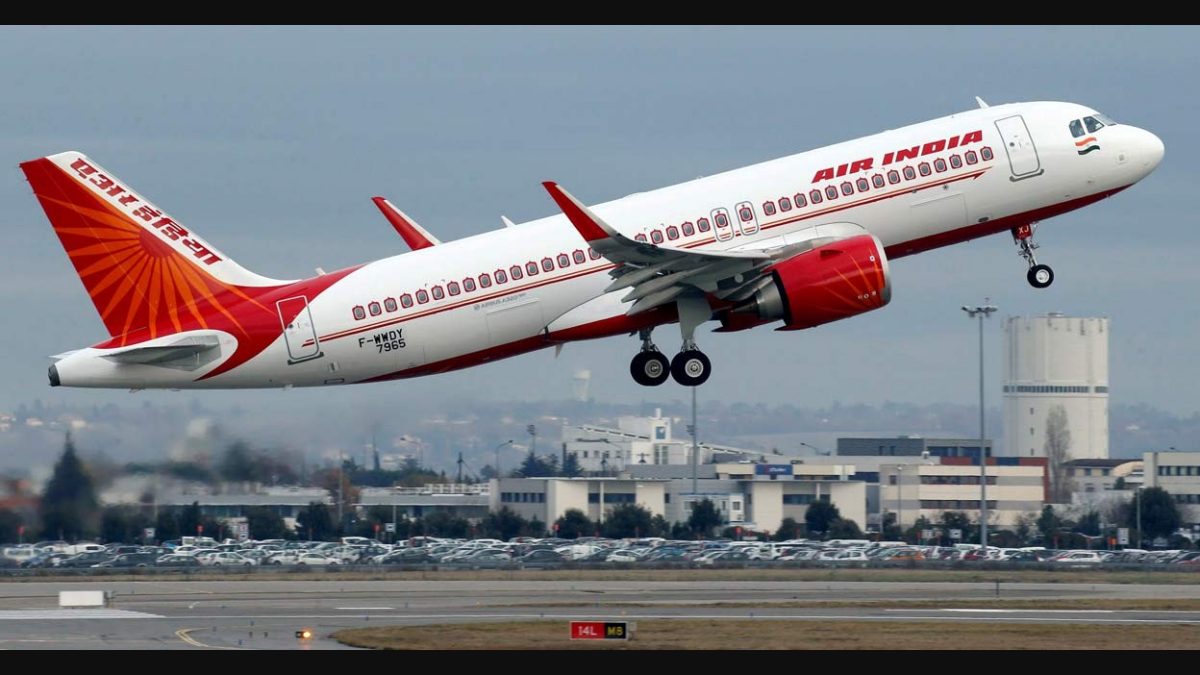
The session was expertly moderated by Kapil Kaul, CEO & Director, CAPA India, and featured an engaging discussion with prominent industry leaders including Harvinder Singh, Director – Middle East & India, United Airlines; Manish Puri, Head of Sales, Air India; Kamal Hingorani, Chief Customer Officer, SpiceJet; and Subhash Goyal, Chairman, Stic GSA Services.
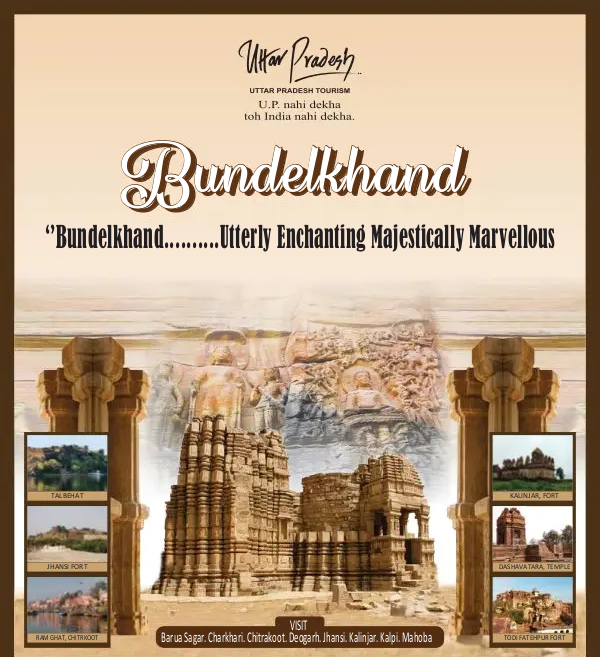
The second session, titled “Industry – Road to Future,” featured a special address by Preeti Srivastava, Joint Director, Tourism, Government of Uttar Pradesh. She emphasised, “Uttar Pradesh is on its way to becoming a one-trillion-dollar economy, with tourism as a major contributor. With initiatives like improved connectivity, infrastructure development, and industry-friendly policies, we are welcoming private sector participation to enhance investment in the tourism sector. UP is surging ahead as a land of diversity and opportunity. Some major investments like subsidies which we offer the capital investment subsidy, interest subsidy, stamp duty assumptions, land conversions and development charges are free. So, there are a lot of things which we are trying to give to the private sector for enhancing investment in the tourism sector. Setting up tourism units is very easy in Uttar Pradesh.”
The session was moderated by K.B. Kachru, President, Hotel Association of India (HAI) and Board Member, FAITH. It brought together an esteemed panel of industry leaders, including Rajiv Mehra, President, IATO & General Secretary, FAITH; Anil Kalsi, Vice President, TAFI; Rajan Sehgal, Managing Committee Member, TAAI; Satish Sehrawat, President, ITTA; and Ved Khanna, President, ADTOI. Together, they discussed collaborative strategies, policy reforms, and innovative approaches to shape the future of India’s tourism and aviation sectors.
A key highlight of the day was a special standalone session delivered by the Chief Minister of Jammu & Kashmir, Omar Abdullah. In his address, Abdullah spoke extensively about the immense tourism potential of Jammu & Kashmir and outlined several new initiatives undertaken by the government to promote the region as a premier travel destination. He remarked, “Jammu and Kashmir is reclaiming its position as a preeminent tourism destination, not just in India but internationally. With its unmatched natural beauty and cultural heritage, the region is shifting its focus from volume tourism to value tourism. By enhancing infrastructure, developing new destinations, and improving the quality of the tourist experience, the government aims to make every visit unforgettable. The upcoming Vande Bharat train connecting Jammu and Srinagar will further improve connectivity and accessibility. Working with industry partners and stakeholders, Jammu and Kashmir is committed to sustainable tourism growth that balances increased visitor numbers with exceptional experiences, ensuring tourists return again and again.